Buy my-socks.com ?
We are moving the project
my-socks.com .
Are you interested in purchasing the domain
my-socks.com ?
domain@kv-gmbh.de · 0541-91531010
Buy my-socks.com ?
What is the difference between damping factor and damping mass?
Damping factor is a measure of how effectively a system can dissipate energy, and it is typically represented as a ratio of the actual damping in a system to the critical damping. Damping mass, on the other hand, refers to the mass that is used to dissipate energy in a system, such as in a vibration damping system. In other words, damping factor is a measure of the effectiveness of the damping in a system, while damping mass is the physical mass that is used to provide damping in a system. **
What is the damping factor?
The damping factor is a parameter used in engineering and physics to describe the rate at which oscillations in a system decay over time. It is a measure of how quickly the system returns to equilibrium after being disturbed. A higher damping factor indicates faster decay of oscillations, leading to a quicker stabilization of the system. In contrast, a lower damping factor results in slower decay of oscillations, potentially leading to prolonged oscillations or even instability in the system. **
Similar search terms for Undesired Damping
Top-Angebote
Products related to Undesired Damping:
-
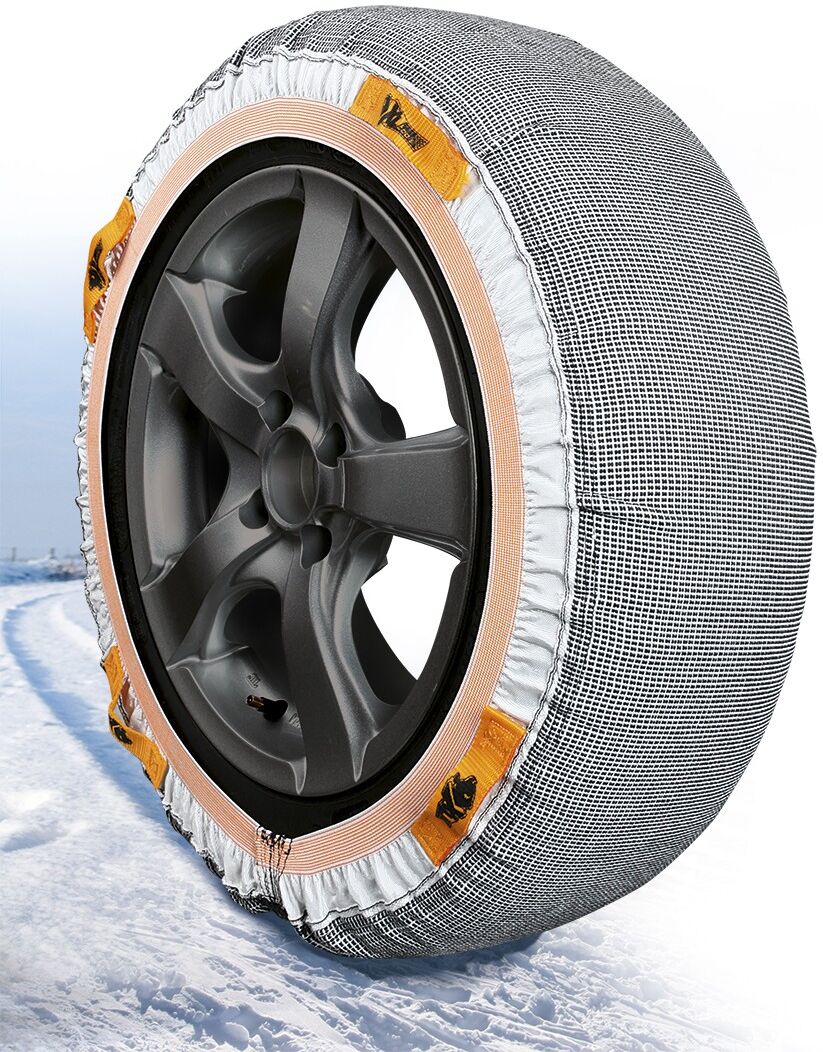
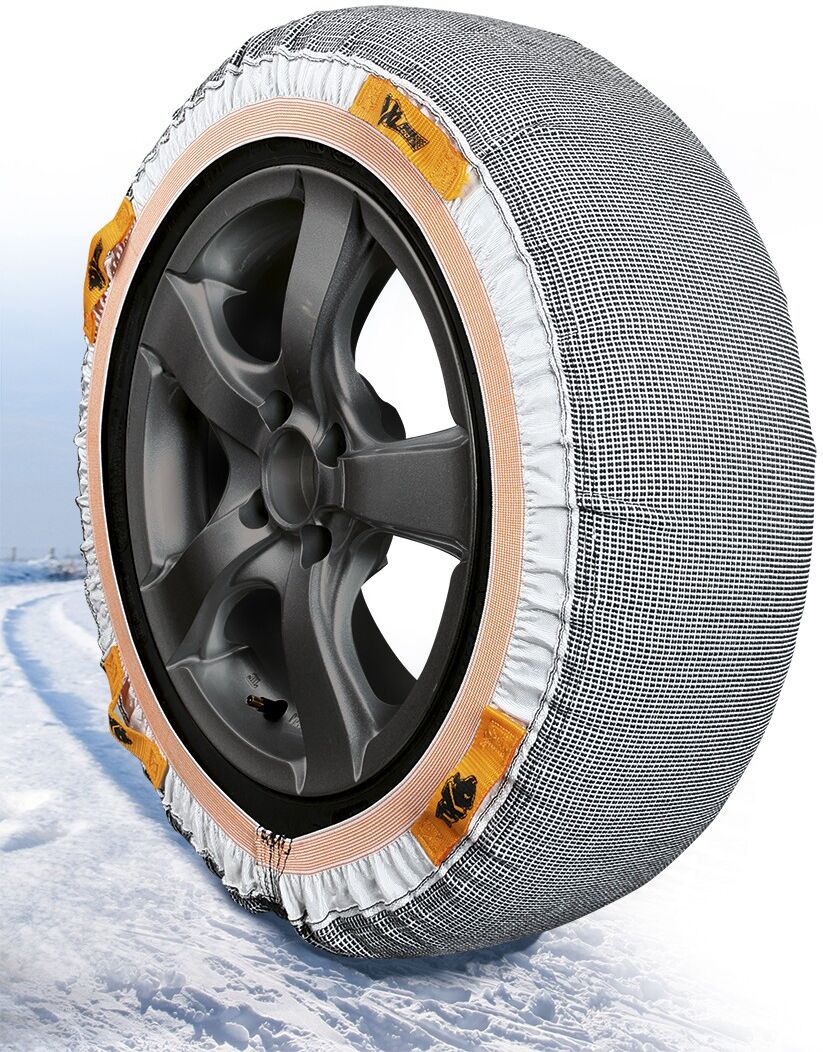
XL 450459 Snow socksTyre Size: 215-80-R15, 225-75-R15, 235-75-R15, 215-75-R16, 225-70-R16, 225-65-R17, 235-60-R17, 225-60-R18, 235-55-R18; Wheel Diameter [inch]: 15, 16, 17, 18; Number of chains: 2; Supplementary Article / Supplementary Info Info 2: with mounting manual, with protective gloves, with storage bag; Product line: Perform Tools, TX944,99 £*Shipping: 8,45 £Secure redirect to the provider
-
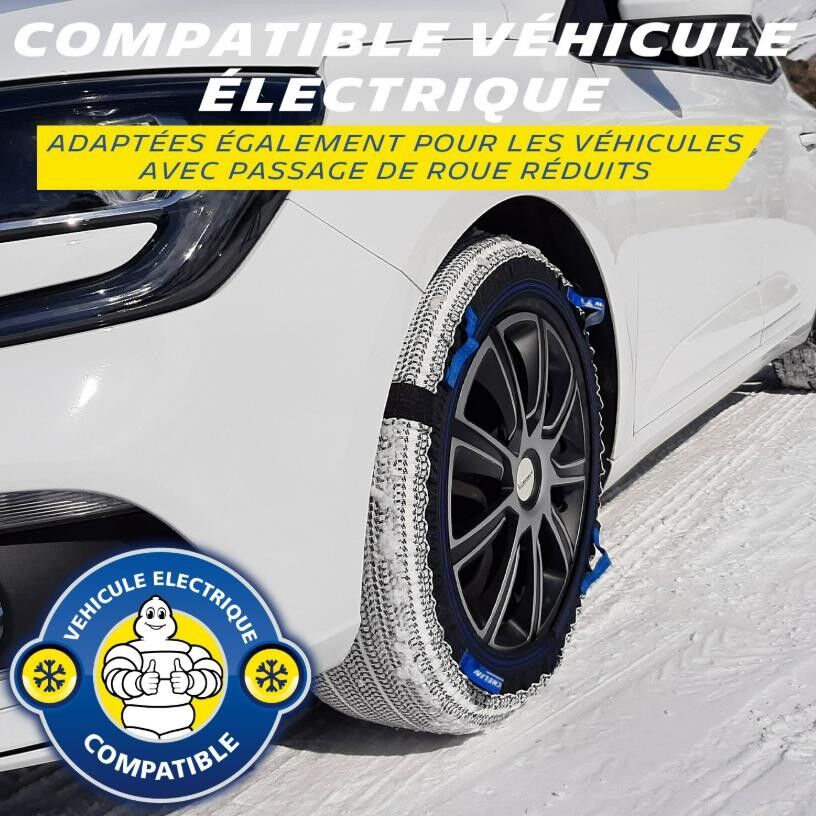
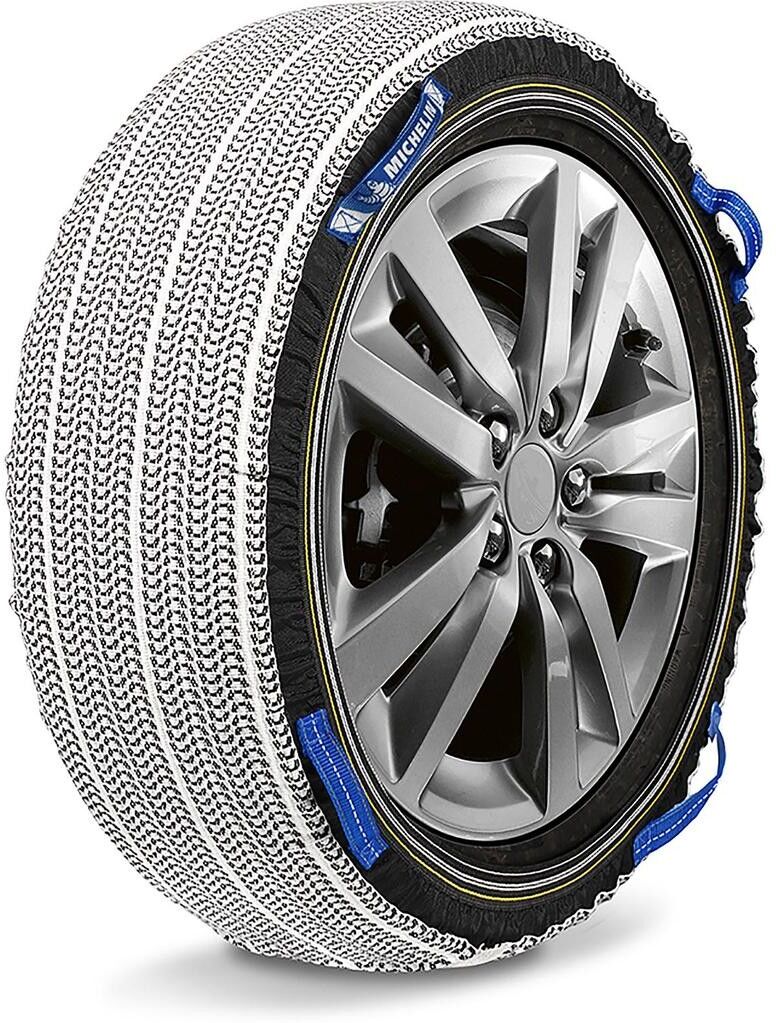
Michelin 008362 Snow socksProduct line: SOS GRIP XTREM 3D; Quantity Unit: Pair; Material: Polyester; Certificate: EN16662-1:2020; Tyre Size: 165-80-R13, 155-80-R14, 165-75-R14, 175-70-R14, 185-65-R14, 155-70-R15, 185-60-R15, 195-55-R15, 205-55-R15, 195-50-R16, 215-45-R16, 225-45-R16, 195-45-R17, 205-40-R17, 215-40-R17, 215-35-R18, 245-30-R18; Size: X2127,99 £*Shipping: 8,45 £Secure redirect to the provider
-
Michelin 008368 Snow socksProduct line: SOS GRIP XTREM 3D; Size: X8; Certificate: EN16662-1:2020; Material: Polyester; Quantity Unit: Pair; Tyre Size: 185-80-R15, 215-70-R15, 175-80-R16, 225-60-R16, 225-55-R17, 245-50-R17, 205-55-R18, 215-50-R18, 225-50-R18, 245-45-R18, 255-45-R18, 245-40-R19, 255-40-R19141,99 £*Shipping: 1,99 £Secure redirect to the provider
-
Michelin 008369 Snow socksProduct line: SOS GRIP XTREM 3D; Size: X9; Certificate: EN16662-1:2020; Material: Polyester; Quantity Unit: Pair; Tyre Size: 215-80-R15, 225-75-R15, 235-75-R15, 215-75-R16, 225-70-R16, 215-65-R17, 225-65-R17, 235-60-R17, 315-45-R17, 215-65-R18, 225-60-R18, 235-55-R18, 225-55-R19, 230-55-R19, 345-35-R19, 275-40-R20, 305-35-R20, 315-35-R20, 325-35-R20, 345-30-R20, 295-35-R21, 305-30-R21, 305-35-R21, 315-30-R21, 325-30-R21141,99 £*Shipping: 1,99 £Secure redirect to the provider


-
How do you calculate the damping factor?
The damping factor can be calculated by dividing the actual damping coefficient of a system by the critical damping coefficient. The critical damping coefficient is calculated by multiplying the mass of the system by the square root of the spring constant. Once you have both values, you can divide the actual damping coefficient by the critical damping coefficient to determine the damping factor of the system. A damping factor greater than 1 indicates an overdamped system, a factor of 1 represents critical damping, and a factor less than 1 signifies an underdamped system. **
-
Are these movements desired or undesired with friction?
Friction is a force that opposes the relative motion between two surfaces in contact. In some cases, such as when walking or driving a car, friction is desired as it allows us to move and control the motion of objects. However, in other cases, such as when trying to reduce wear and tear on machinery or when trying to minimize heat generation, friction is considered undesired. Overall, the desirability of movements with friction depends on the specific context and the goals of the system or process. **
-
What are desired and undesired vibrations in physics?
Desired vibrations in physics refer to oscillations or movements that are intentional and necessary for the functioning of a system, such as in musical instruments or electronic devices. These vibrations are typically controlled and optimized to achieve a specific purpose. On the other hand, undesired vibrations are unwanted oscillations that can lead to inefficiencies, malfunctions, or even damage in a system. These vibrations need to be minimized or eliminated to ensure the proper functioning and longevity of the system. **
-
Are these movements with friction desired or undesired?
These movements with friction are typically considered undesired. Friction can cause wear and tear on surfaces, leading to damage and decreased efficiency. In many cases, efforts are made to reduce friction through lubrication or other means to improve the performance and longevity of the moving parts. **

What are desired and undesired conductors of heat?
Desired conductors of heat are materials that efficiently transfer heat, such as metals like copper and aluminum. These materials are used in cooking utensils and heat exchangers to quickly and evenly distribute heat. Undesired conductors of heat are materials that do not transfer heat well, such as insulating materials like rubber and wood. These materials are used to prevent heat transfer, such as in the insulation of buildings and electrical wiring. **
What is the undesired energy dissipation of a resistor?
The undesired energy dissipation of a resistor refers to the heat that is generated when current flows through the resistor. This heat is a result of the resistance in the material of the resistor, which causes some of the electrical energy to be converted into thermal energy. This energy dissipation is often considered wasteful as it does not contribute to the intended function of the circuit and can lead to inefficiencies and potential overheating issues. **
Top-Angebote
Products related to Undesired Damping:
-
XL 450451 Snow socksTyre Size: 185-70-R13, 145-80-R14, 165-70-R14, 175-65-R14, 195-60-R14, 165-65-R15, 175-60-R15, 185-55-R15, 205-50-R15, 185-50-R16, 205-45-R16, 195-40-R17, 225-35-R17; Wheel Diameter [inch]: 13, 14, 15, 16, 17; Material: Textile; Test speed to [km/h]: 40; Supplementary Article / Supplementary Info Info 2: with mounting manual, with protective gloves, with storage bag; Number of chains: 2; Product line: Perform Tools, TX144,99 £*Shipping: 8,45 £Secure redirect to the provider
-
XL 450453 Snow socksTyre Size: 175-80-R13, 185-80-R13, 165-80-R14, 185-70-R14, 175-65-R15, 175-70-R15, 185-65-R15, 195-60-R15, 205-60-R15, 185-60-R16, 195-55-R16, 205-50-R16, 215-50-R16, 205-45-R17, 215-45-R17, 245-40-R17, 175-55-R17, 205-40-R18, 215-40-R18, 245-35-R18; Wheel Diameter [inch]: 13, 14, 15, 16, 17, 18; Test speed to [km/h]: 40; Supplementary Article / Supplementary Info Info 2: with mounting manual, with protective gloves, with storage bag; Number of chains: 2; Product line: Perform Tools, TX369,99 £*Shipping: 8,45 £Secure redirect to the provider
-
XL 450459 Snow socksTyre Size: 215-80-R15, 225-75-R15, 235-75-R15, 215-75-R16, 225-70-R16, 225-65-R17, 235-60-R17, 225-60-R18, 235-55-R18; Wheel Diameter [inch]: 15, 16, 17, 18; Number of chains: 2; Supplementary Article / Supplementary Info Info 2: with mounting manual, with protective gloves, with storage bag; Product line: Perform Tools, TX944,99 £*Shipping: 8,45 £Secure redirect to the provider
-
Michelin 008362 Snow socksProduct line: SOS GRIP XTREM 3D; Quantity Unit: Pair; Material: Polyester; Certificate: EN16662-1:2020; Tyre Size: 165-80-R13, 155-80-R14, 165-75-R14, 175-70-R14, 185-65-R14, 155-70-R15, 185-60-R15, 195-55-R15, 205-55-R15, 195-50-R16, 215-45-R16, 225-45-R16, 195-45-R17, 205-40-R17, 215-40-R17, 215-35-R18, 245-30-R18; Size: X2127,99 £*Shipping: 8,45 £Secure redirect to the provider
-
What is the difference between damping factor and damping mass?
Damping factor is a measure of how effectively a system can dissipate energy, and it is typically represented as a ratio of the actual damping in a system to the critical damping. Damping mass, on the other hand, refers to the mass that is used to dissipate energy in a system, such as in a vibration damping system. In other words, damping factor is a measure of the effectiveness of the damping in a system, while damping mass is the physical mass that is used to provide damping in a system. **
-
What is the damping factor?
The damping factor is a parameter used in engineering and physics to describe the rate at which oscillations in a system decay over time. It is a measure of how quickly the system returns to equilibrium after being disturbed. A higher damping factor indicates faster decay of oscillations, leading to a quicker stabilization of the system. In contrast, a lower damping factor results in slower decay of oscillations, potentially leading to prolonged oscillations or even instability in the system. **
-
How do you calculate the damping factor?
The damping factor can be calculated by dividing the actual damping coefficient of a system by the critical damping coefficient. The critical damping coefficient is calculated by multiplying the mass of the system by the square root of the spring constant. Once you have both values, you can divide the actual damping coefficient by the critical damping coefficient to determine the damping factor of the system. A damping factor greater than 1 indicates an overdamped system, a factor of 1 represents critical damping, and a factor less than 1 signifies an underdamped system. **
-
Are these movements desired or undesired with friction?
Friction is a force that opposes the relative motion between two surfaces in contact. In some cases, such as when walking or driving a car, friction is desired as it allows us to move and control the motion of objects. However, in other cases, such as when trying to reduce wear and tear on machinery or when trying to minimize heat generation, friction is considered undesired. Overall, the desirability of movements with friction depends on the specific context and the goals of the system or process. **
Similar search terms for Undesired Damping
-
Michelin 008368 Snow socksProduct line: SOS GRIP XTREM 3D; Size: X8; Certificate: EN16662-1:2020; Material: Polyester; Quantity Unit: Pair; Tyre Size: 185-80-R15, 215-70-R15, 175-80-R16, 225-60-R16, 225-55-R17, 245-50-R17, 205-55-R18, 215-50-R18, 225-50-R18, 245-45-R18, 255-45-R18, 245-40-R19, 255-40-R19141,99 £*Shipping: 1,99 £Secure redirect to the provider
-
Michelin 008369 Snow socksProduct line: SOS GRIP XTREM 3D; Size: X9; Certificate: EN16662-1:2020; Material: Polyester; Quantity Unit: Pair; Tyre Size: 215-80-R15, 225-75-R15, 235-75-R15, 215-75-R16, 225-70-R16, 215-65-R17, 225-65-R17, 235-60-R17, 315-45-R17, 215-65-R18, 225-60-R18, 235-55-R18, 225-55-R19, 230-55-R19, 345-35-R19, 275-40-R20, 305-35-R20, 315-35-R20, 325-35-R20, 345-30-R20, 295-35-R21, 305-30-R21, 305-35-R21, 315-30-R21, 325-30-R21141,99 £*Shipping: 1,99 £Secure redirect to the provider
-
Michelin 008412 Snow socksTyre Size: 165-80-R13, 155-80-R14, 165-75-R14, 175-70-R14, 185-65-R14, 155-70-R15, 185-60-R15, 195-55-R15, 195-50-R16, 215-45-R16, 195-45-R17, 205-40-R17, 215-40-R17, 215-35-R18; Wheel Diameter [inch]: 13, 14, 15, 16, 17, 18; Number of chains: 2; for vehicles with gross vehicle weight rating [t]: 2; Material: Polyester Fabric; Supplementary Article / Supplementary Info Info 2: with mounting manual, with storage bag, with protective gloves; Container Type: Bag; Product line: SOS Grip Evolution; Certificate: NVS; Version: SOS 2102,99 £*Shipping: 8,45 £Secure redirect to the provider
-
Michelin 008417 Snow socksTyre Size: 195-80-R15, 215-75-R15, 225-70-R15, 235-65-R15, 175-80-R16, 205-70-R16, 215-65-R16, 225-65-R16, 235-60-R16, 205-65-R17, 215-60-R17, 225-60-R17, 235-55-R17, 215-55-R18, 225-55-R18, 235-50-R18; Wheel Diameter [inch]: 15, 16, 17, 18; Number of chains: 2; for vehicles with gross vehicle weight rating [t]: 2; Supplementary Article / Supplementary Info Info 2: with mounting manual, with storage bag, with protective gloves; Material: Polyester Fabric; Container Type: Bag; Product line: SOS Grip Evolution; Version: SOS 7; Certificate: NVS112,99 £*Shipping: 8,45 £Secure redirect to the provider
-
What are desired and undesired vibrations in physics?
Desired vibrations in physics refer to oscillations or movements that are intentional and necessary for the functioning of a system, such as in musical instruments or electronic devices. These vibrations are typically controlled and optimized to achieve a specific purpose. On the other hand, undesired vibrations are unwanted oscillations that can lead to inefficiencies, malfunctions, or even damage in a system. These vibrations need to be minimized or eliminated to ensure the proper functioning and longevity of the system. **
-
Are these movements with friction desired or undesired?
These movements with friction are typically considered undesired. Friction can cause wear and tear on surfaces, leading to damage and decreased efficiency. In many cases, efforts are made to reduce friction through lubrication or other means to improve the performance and longevity of the moving parts. **
-
What are desired and undesired conductors of heat?
Desired conductors of heat are materials that efficiently transfer heat, such as metals like copper and aluminum. These materials are used in cooking utensils and heat exchangers to quickly and evenly distribute heat. Undesired conductors of heat are materials that do not transfer heat well, such as insulating materials like rubber and wood. These materials are used to prevent heat transfer, such as in the insulation of buildings and electrical wiring. **
-
What is the undesired energy dissipation of a resistor?
The undesired energy dissipation of a resistor refers to the heat that is generated when current flows through the resistor. This heat is a result of the resistance in the material of the resistor, which causes some of the electrical energy to be converted into thermal energy. This energy dissipation is often considered wasteful as it does not contribute to the intended function of the circuit and can lead to inefficiencies and potential overheating issues. **
* All prices are inclusive of VAT and, if applicable, plus shipping costs. The offer information is based on the details provided by the respective shop and is updated through automated processes. Real-time updates do not occur, so deviations can occur in individual cases. ** Note: Parts of this content were created by AI.